
Crayfish, Crawfish, and Crawdads
The Most Important Animals You Probably Never Thought About

By Andrew L. Rypel and James A. Stoeckel
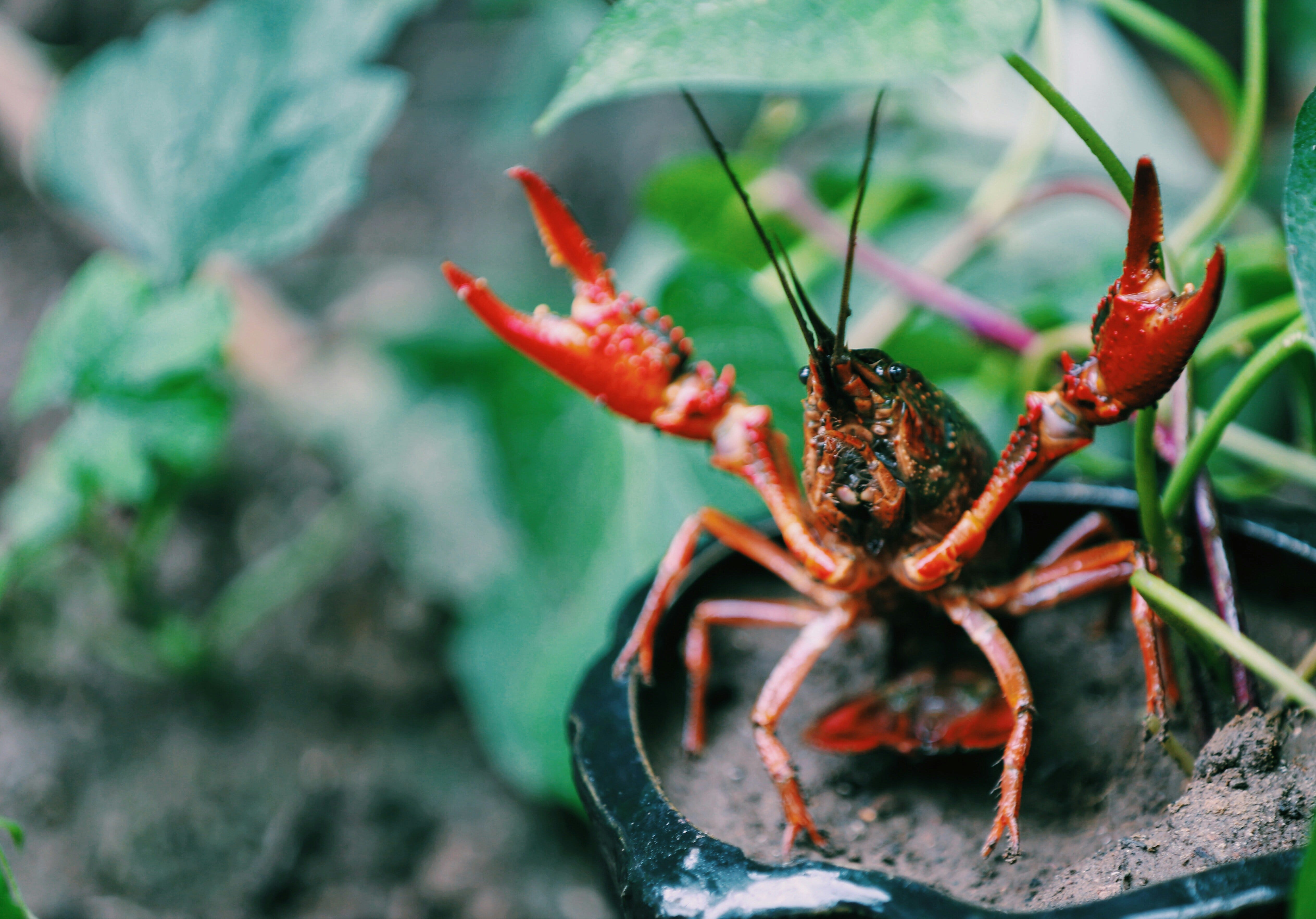
Imagine landing on and exploring a distant planet. But upon arriving, you discover an alien armored animal. It breathes through gills, carries its young beneath a tail, regenerates lost limbs, digs and lives in excavated underground burrows, and communicates using urine and chemical signals. You might reasonably conclude you encountered one of the strangest creatures imaginable. But on Earth, you have merely just met a crayfish.
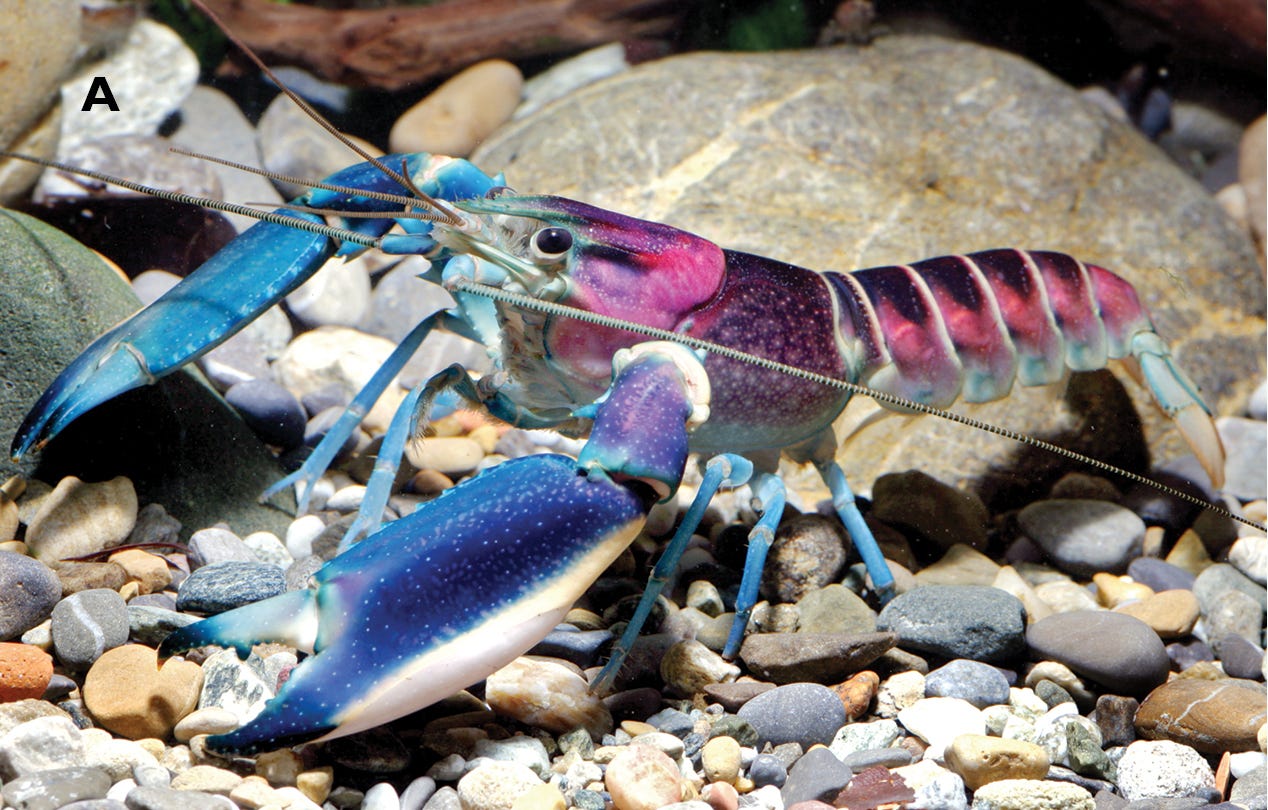
Crayfishes are freshwater crustaceans - invertebrates, closely related to lobsters, shrimp, and crabs. Thinking of them as a miniature freshwater lobster is fairly accurate! They are characterized by hard exoskeletons, segmented bodies, and prominent claws. Perhaps most astounding is that they inhabit quite an impressive range of habitats: streams, lakes, wetlands, caves, even forests and fields.
The study of crayfish is a field called astacology. Such researchers even have their own society.
A Crustacean by Many Names
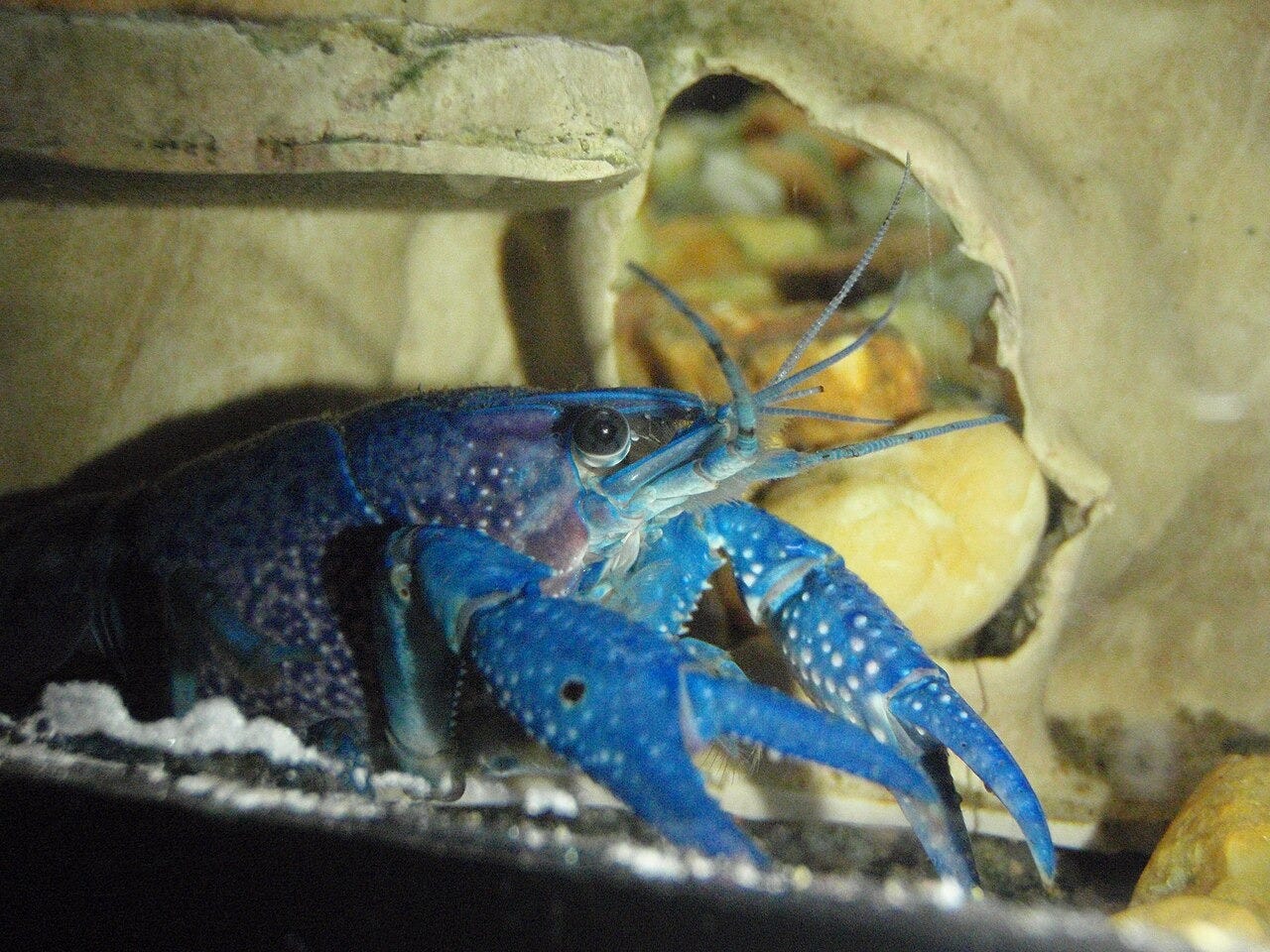
Crayfishes may hold some type of record for the most regional names of any freshwater animal in North America. Depending on where you are, they might be called crayfish, crawfish, crawdad, crawdadfish, crawdaddy, mudbug, or even freshwater lobster. The name crayfish traces its origins to the old French word escrevisse, which entered the English vernacular in the Middle Ages. Over time, English speakers mistakenly associated the final syllable with the word "fish," even though crayfishes are crustaceans more closely related to lobsters and crabs. Regional names emerged as the animals became woven into local cultures. Crawfish is especially common throughout the Gulf Coast and Louisiana, crawdad predominates across much of the midwestern and western United States (this is what I heard most in CA), and mudbug remains a popular nickname in the South. Other regional gems include ditch lobster, chicken of the ditch, yabbies (Australian term), and crawdiddy. It seems as though wherever people live alongside crayfishes, they eventually invent some zany name.
People get very attached to their local names. We will use the terms ‘crayfish’ and ‘crawfish’ throughout this essay, where crayfish are for research and crawfish are for eating.
What do crayfishes eat?
One of us (Rypel) studies fishes and the other (Stoeckel) studies crayfishes, which perhaps explains why we spend an unusual amount of time discussing what eats what.
Crayfishes are opportunistic omnivores, so their diets are quite varied. They regularly consume aquatic plants, algae, leaves, seeds, insects, snails, worms, and small fishes. Crayfish are sometimes considered the ‘janitors’ of the freshwater realm as they efficiently scavenge dead plant and animal matter in such a way to maintain aquatic ecosystem health. Their flexible feeding strategies are one reason they successfully colonized such a wide range of freshwater conditions. Because they feed at multiple food web levels, crayfishes function as major links during the transfer of energy and nutrients throughout entire landscapes. Where they are abundant, crayfish influence everything - from water quality to the abundance of plants and animals.
What eats crayfishes?
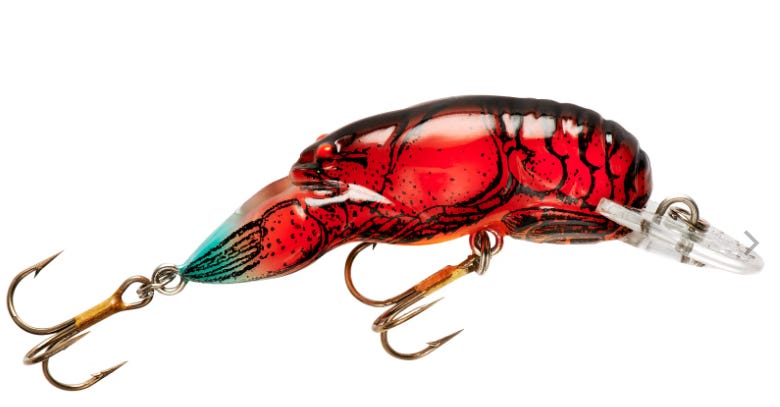
Few animals are so universally edible as the crayfish. Across North America, they are consumed by an astonishing mix of animals. Fishes especially love to eat crayfish, which is perhaps why so many fishing lures are patterned after crayfish. Some easily recognizable fish predators that chow on these critters include bass, catfish, sunfish, and trout. Therefore, protecting crayfish also means protecting the food supply for the fishes that we like to fish for, or otherwise need conservation.
In Putah Creek (Davis CA), we found that most bass in the creek didn’t eat many fishes at all - instead they were mostly consuming crayfishes. Likewise, in two floodplain rivers in Mississippi and Alabama, examination of the diets of ~100 bowfin, also showed high crayfish consumption. We wrongly assumed such large bowfin (complete with their sharp teeth) would eat tons of fish, but it turns out, crayfishes were the most commonly observed item by a mile - fascinating!
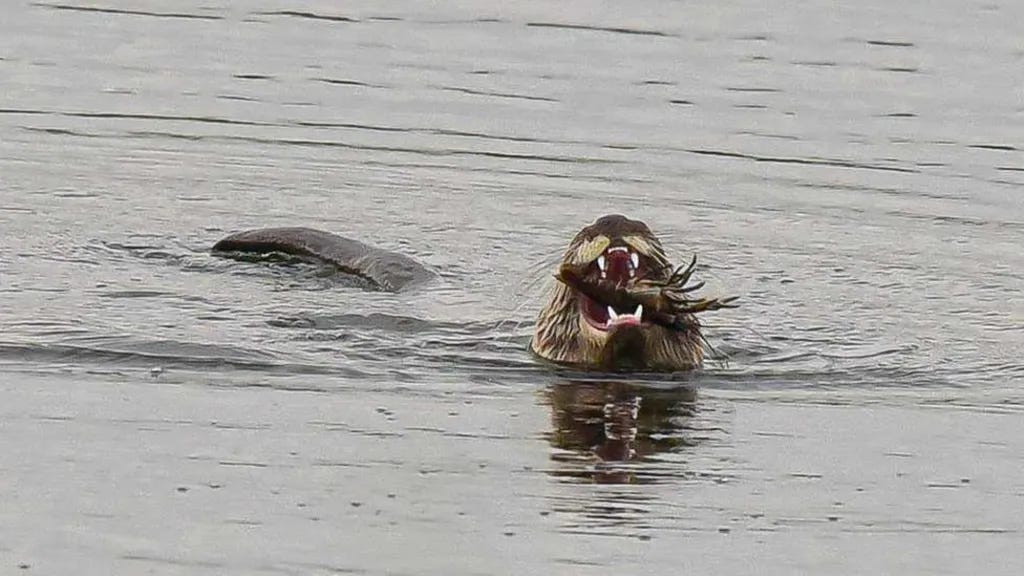
But it's not just the fish predators; reptiles like turtles and water snakes eat crayfishes too; as do wading birds like great blue herons and egrets; mammals eat them, including raccoons, otters, and mink. And crayfishes, like many groups of animals, also eat each other.
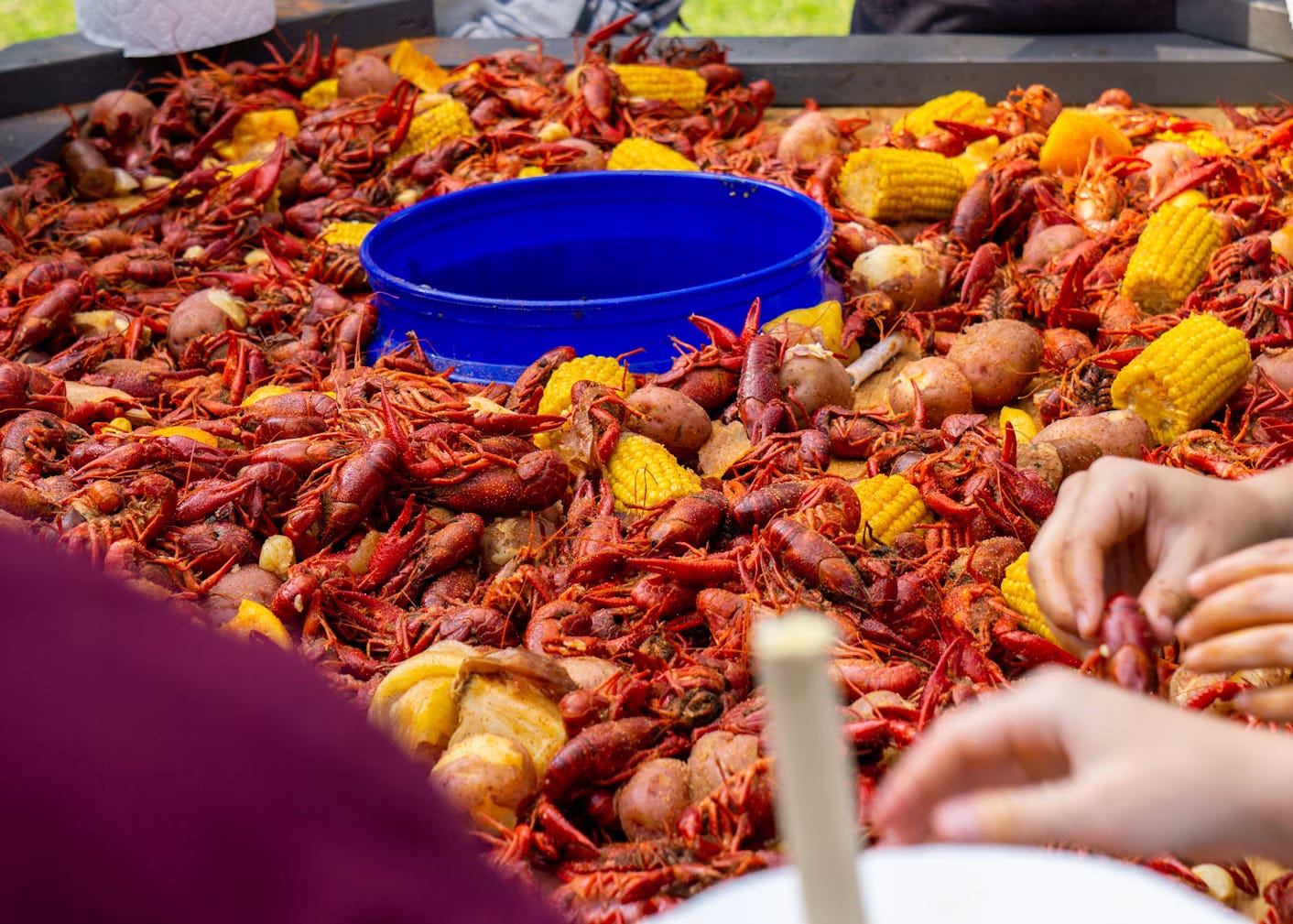
And finally - people absolutely love to eat crawfish too. For centuries, human cultures enjoyed eating crawfish. After all, they are flavorful, nutritious, and often abundant in certain freshwater habitats. Their meat is sweet, tender, and compared to a cross between shrimp and lobster, making them a prized ingredient in cuisines ranging from Louisiana crawfish boils to traditional dishes in Europe, China, and Australia. Beyond their taste though, crawfish are deeply woven into local cultures and celebrations, bringing families and communities together around a shared meal or celebratory event. And in the American South at least, when the topic of eating crawfish comes up, it normally isn’t complete until someone asks:
“Do you suck the heads?”
“Underground Facts”
Nature’s Excavators. Some burrowing crayfish can almost be thought of as terrestrial rather than aquatic - they can breathe air as long as their gill stay moist, may forage above ground, and live far away from the surface water. They are true engineers that create passive ventilation systems that work on chimney/wind power (see next fact).
They Build Chimneys. Many burrowing crayfishes construct elaborate mud towers around their burrow entrances. Some can reach 12 inches or more in height and resemble miniature castles scattered across wet meadows. Recent studies have confirmed that these chimneys pull air through the burrows for ventilation (Stoeckel et al. 2021) - crayfish have figured out how to do this without electricity or fans!
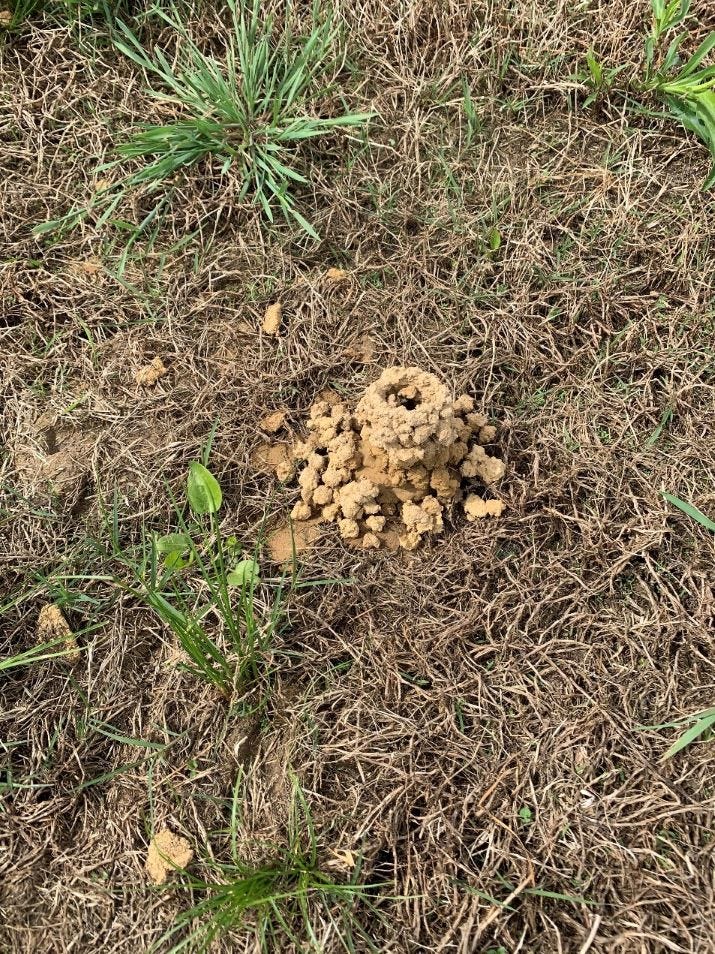
Crayfish chimneys are distinct and often generate questions by confused homeowners . Photo credit: University of Arkansas Extension Dominance Hierarchies. Put several crayfish together and they quickly establish social rankings. Dominant individuals gain access to the best shelters and food. Researchers have even documented “winner effects” where a crayfish that wins several fights becomes more likely to win future encounters.
Communication with Urine. Always a crowd-pleaser. Crayfishes release chemical signals in their urine during social interactions. During fights, courtship, and territory disputes, they are essentially “talking” to one another using chemical messages carried through the urine.
They Walk Over Land. Many people think of crayfishes as being strictly aquatic. Yet numerous species routinely travel across land, especially during wet and rainy periods. Some burrowing species spend much of their lives away from open water and may only emerge at night.
Helicopter Mom Is An Understatement. Female crayfish carry eggs beneath their tails for weeks or months and then continue protecting newly hatched young after they emerge. Tiny juveniles cling to their mother’s abdomen like a living backpack. For a freshwater invertebrate, such parental care is surprisingly advanced and rare.
They Regrow Lost Limbs. Lose a claw in a fight? Not a big problem. Crayfish regenerate legs and claws through successive molts. A missing appendage gradually reappears, although it may take several molts to return to full size.
They “Tail Flip” Like Tiny Lobsters. When threatened, crayfishes can rapidly curl their abdomen beneath their body, propelling themselves backward through the water at remarkable speed. The maneuver is so effective they can disappear under a rock almost instantly.
Some Live Years Underground. Some cave and burrowing species spend nearly their entire lives in darkness or hidden tunnels. These animals may rarely encounter another crayfish outside breeding periods and inhabit a world that is almost completely invisible to humans.
Few really know how long crayfishes live. Crayfishes can not be aged using otoliths (as done with fishes) or shell rings (like mussels). They do have teeth in their stomachs called gastric mill ossicles, and there is some evidence that rings in these ossicles can be used to age crayfish, but this has yet to be definitively confirmed.
Astonishing Densities. In productive wetlands, crayfish populations exceed thousands of individuals per acre. Imagine hundreds or thousands of little crustacean engineers simultaneously eating, digging, fighting, reproducing, and serving as prey for everything from bass to herons.
Biodiversity Conservation
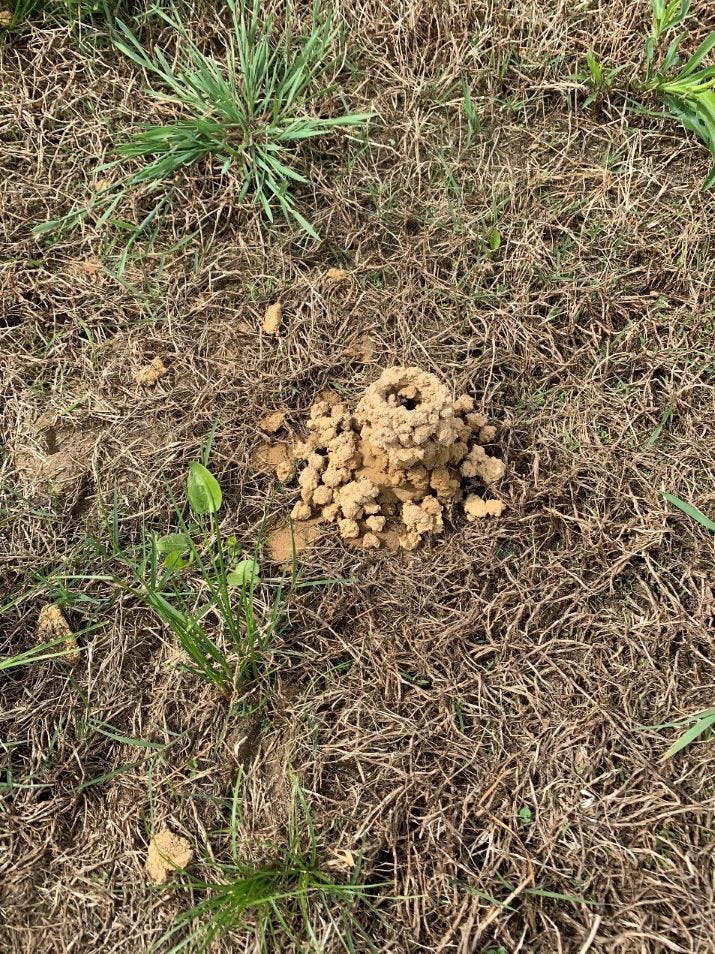
Crayfishes are one of the most diverse groups of animals in North America. Scientists have described more than 700 species worldwide, and the greatest diversity is concentrated in North America and Australia. This remarkable diversity reflects millions of years of evolution in isolated streams, rivers, and groundwater habitats.
The southeastern United States is a particular hotspot. Of the 700+ crayfish species worldwide, >400 occur in North America, and >250 are found in the Southeast alone. States such as Alabama, Tennessee, Kentucky, Georgia, and Mississippi are particularly rich. Alabama contains about 100 crayfish species (13% of global diversity) by itself. Many southeastern crayfish species are endemic to just a single river basin, cave system, or even stream reach. That pattern reflects millions of years of evolutionary isolation, often on landscapes that haven’t been glaciated or otherwise disturbed in recent geologic time. This diversity also parallels that for other animals like fishes, freshwater mussels, and amphibians. And taken together, these patterns make us personally wonder what else we might be missing by not looking closely enough.
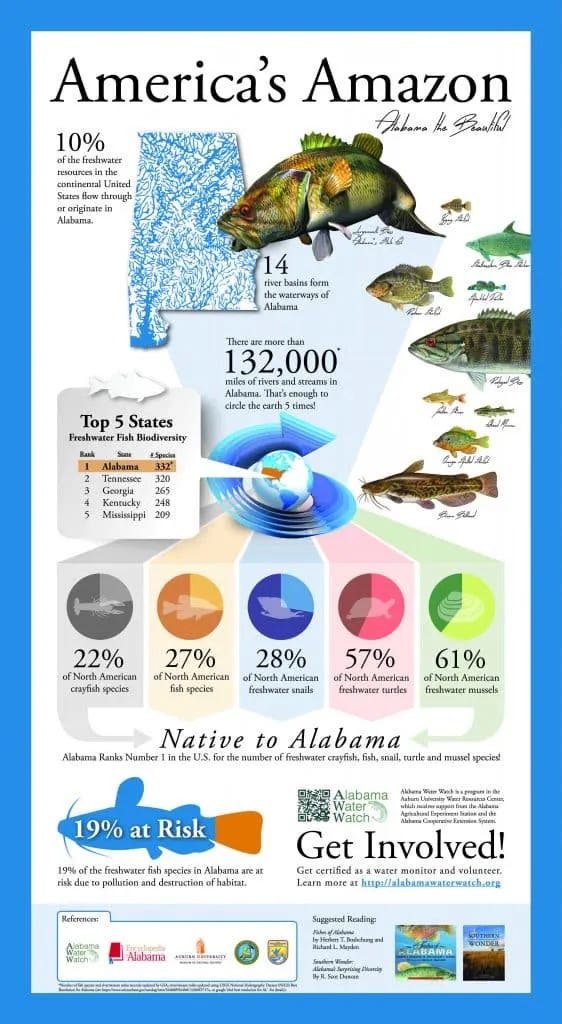
Unfortunately, crayfishes are among the most threatened groups of freshwater animals. Globally, Richmond et al. 2015 estimates 32% of crayfish species are vulnerable to extinction. However, 4% of species are already extinct and at least 21% are assessed as ‘data deficient’. In North America the story is more grim, Taylor at al. 2007 estimates that 48% of our native crayfishes are declining or vulnerable to extinction. The authors highlight limited natural range as one of the principal issues that make crayfishes so vulnerable. Habitat loss, pollution, dams, water withdrawals, invasive species, and climate change are all implicated in crayfish declines. Conservationists increasingly view crayfishes as important indicators of freshwater ecosystem health and as a group deserving far greater attention.
In the southeastern United States, conservation challenges are especially acute. Protecting southeastern crayfish diversity ultimately depends on conserving healthy streams, rivers, springs, and wetlands. It depends on strong watershed management, but we are not always the best at managing in this kind of way.
Crayfishes are sometimes devastating invasive species
The diversity of crayfishes and their need for conservation belies the fact that these animals can also be extraordinarily destructive invasive species. One of the reasons for their extraordinary impact is that these animals are predators, competitors, habitat engineers, and disease carriers all at once. The North American Signal Crayfish contributed to widespread declines of native European crayfishes by spreading crayfish plague, while the Red Swamp Crayfish has invaded Europe, Africa, and Asia, where it consumes aquatic plants, amphibians, fish eggs, and invertebrates. In many wetlands, dense populations have transformed clear, plant-filled waters into muddy systems with greatly reduced biodiversity. In an iconic and large northern Wisconsin lake, the invasive rusty crayfish caused massive ecological shifts; aquatic plants declined by 80%, aquatic insect abundance declined lake-wide, and native crayfish were nearly eliminated (Wilson et al. 2004). That particular invasion occurred almost 50 years ago now, and many of these changes persisted, showing the long-lasting impacts of crayfish invasions.
Other invaders, including the Virile Crayfish, have been linked to declines of native amphibians and other aquatic wildlife (Jackson et al. 2014).Their rapid reproduction, broad diet, tolerance of harsh conditions, and ability to spread overland make invasive crayfishes exceptionally difficult to control once established.
Crawfish Aquaculture
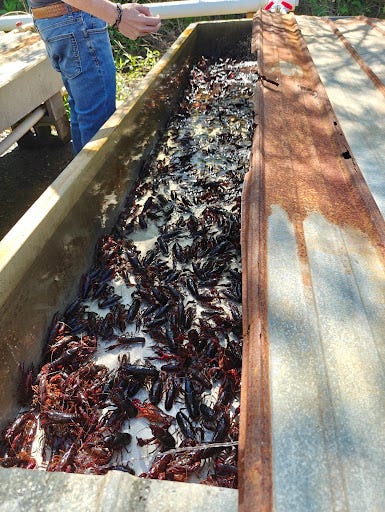
Crawfish aquaculture is a significant industry in parts of the world, particularly in the southern United States, China, and Australia. In Louisiana alone, crawfish farming produces tens of millions of pounds annually and supports a cultural tradition deeply tied to the region’s cuisine and identity. In Louisiana, most farmed crawfish are raised in shallow ponds that often rotate with rice production. The crawfish feed on dead plant material, fungus, and invertebrates associated with decomposing leaves and straw left from the prior year’s rice crop. This rotation creates an efficient double-crop agricultural system that provides both food and wildlife habitat. In Alabama (where we work), crawfish aquaculture appears to be on the rise. Most crawfish production occurs in shallow ponds, similar to Louisiana, but without the rice component.
Funding challenges
Despite their ecological importance and extraordinary diversity, crayfishes receive just a tiny fraction of the conservation funding directed toward more charismatic wildlife and fisheries resources. For example, conservation resources are often concentrated on migratory birds, mammals, and game fishes, leaving many crayfish species understudied and poorly monitored.
This prior Tangled Nature essay unpacks the user pay model which dominates conservation funding in the US. That model, while very successful, tends to ignore species with smaller or non-consumptive user bases, like the crayfishes (also mussels, snails, insects, amphibians etc.). In states that have conservation taxes (e.g., Missouri), more conservation work is accomplished on native crayfishes.
This funding gap is problematic because many crayfishes have small geographic ranges and can decline rapidly before problems are detected. As a result, conservationists often find themselves racing to understand and protect species only after they have become rare or imperiled. Pre-emptive conservation efforts would be helpful for native crayfishes, but such work would likely require new funding and/or creative monitoring strategies. It is also worth mention that many crayfish populations support valuable gamefish fisheries. After all, forage is habitat also!
Some Particularly Cool Species
Our little essay would be incomplete if we didn’t take a little time and show off some particularly handsome or otherwise fascinating crayfish. So here is a short and obviously incomplete list of cool crayfishes:
Tasmanian Giant Freshwater Crayfish
Astacopsis gouldi is the largest freshwater invertebrate (and largest crayfish) on Earth, capable of exceeding 6 kg (13 lbs) and living for decades in cool streams in northern Tasmania. Once widespread, the species has declined dramatically due to habitat degradation, sedimentation, river modification, and historical overharvest. These crayfish live for a long time, with longevity estimates reaching at least 60 years in age. Today, the Tasmanian Giant Freshwater Crayfish is listed as endangered, making it one of the world’s most iconic, but vulnerable, crayfish species.
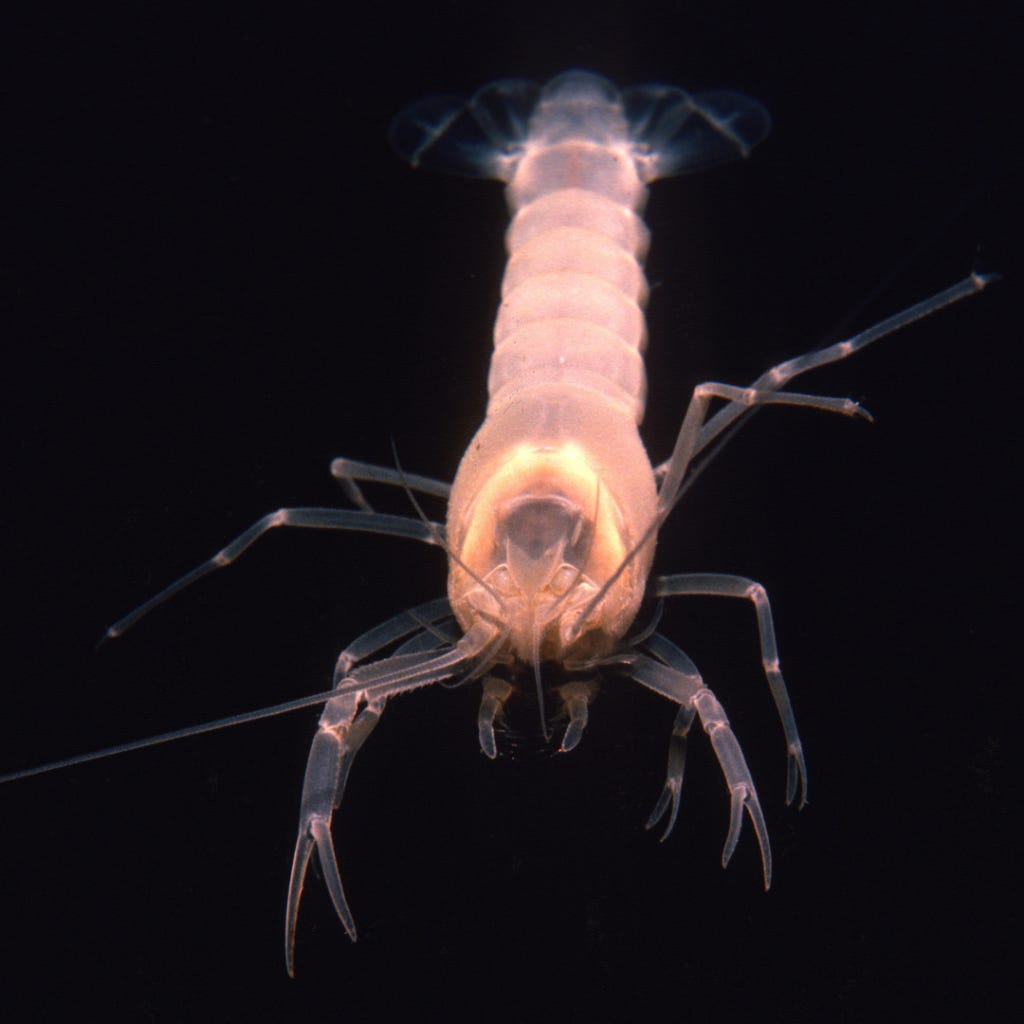
This species (Cambarus cryptodytes) is a blind crayfish endemic to cave ecosystems in Florida and Georgia USA. Living in perpetual darkness beneath the surface, this crayfish lost most of its pigmentation and possesses greatly reduced eyes. Its pale, ghost-like appearance is the product of thousands of generations adapting to the dark and nutrient poor conditions of cave life. Few animals better illustrate evolution’s ability to reshape organisms for extreme environments. This species on reaches ~2 in in length, but with antennae twice this length. Very little is known about the biology of the species, and it is considered vulnerable to decline.
Tennessee Bottlebrush Crayfish
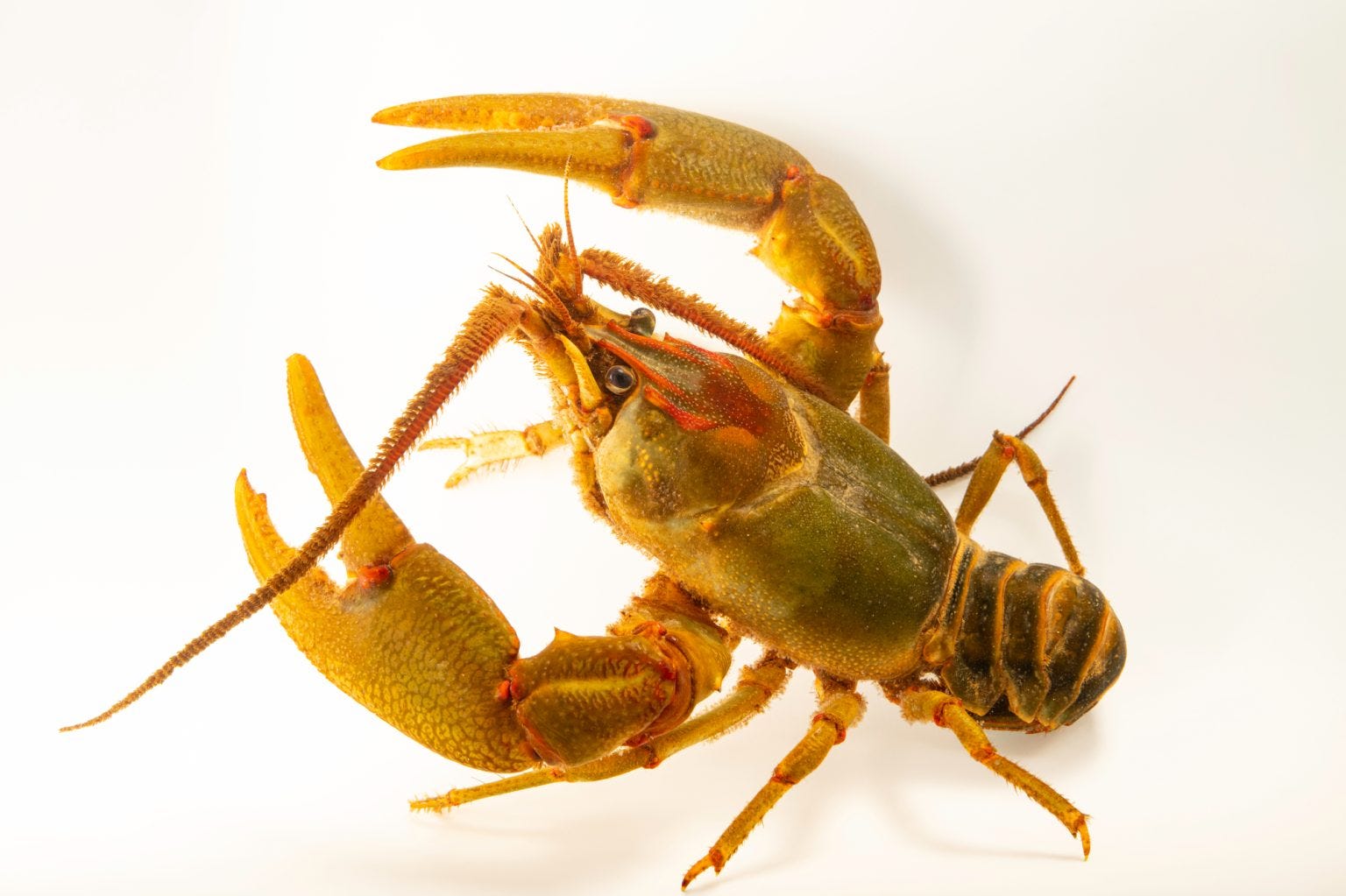
The Tennessee Bottlebrush Crayfish was a recent and remarkable crayfish discovery. It was described in 2010, despite occurring in a stream system that had been studied for at least 50 years. Shoal Creek is a medium-sized tributary to the Tennessee River in southern Tennessee and Alabama. The species is a giant crayfish species that can exceed 12 cm (5 inches) in length and is distinguished by antennae fringed with dense, bottlebrush-like hairs that give the species its common name. Its extremely limited distribution and rarity make it a species of significant conservation concern. NatureServe ranks it as critically imperiled.
The “Sweet Home Alabama Crayfish”
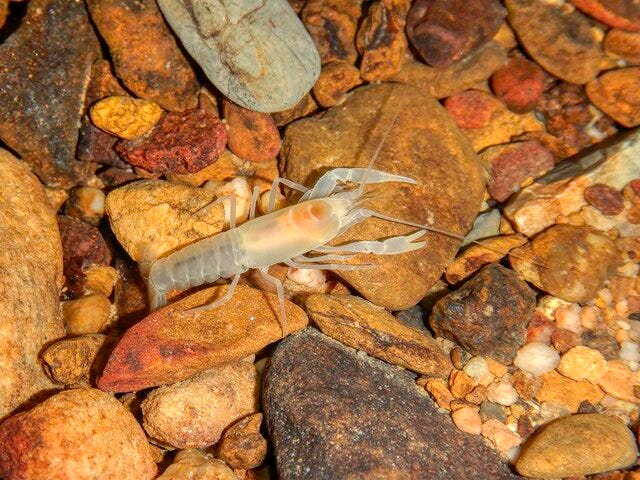
Cambarus speleocoopi was also described only recently and is another crayfish species found in only four cave systems. The species occurs only in the Paint Rock drainage - a biodiversity hotspot in northern Alabama. Like the other cave-dwelling crayfishes, this one again exhibits classic adaptations to life in perpetual darkness - reduced pigmentation, diminished eyes, and a small body size. What makes it especially interesting is that it lives in an environment most people never see. They are removed from the rest of the world in an underground lair of flooded passages, streams, and pools hidden beneath Alabama’s hills. The serves as a reminder that Alabama is not only a hotspot for fishes, mussels, and snails, but also for subterranean biodiversity. In many ways, cave crayfishes are a bit like deep-sea creatures: specialized, mysterious, and secluded from the rest of the world. The fact that Alabama’s underground waters still harbor species new to science underscores how much biological exploration still remains.
Food For Thought?
We shouldn’t necessarily feel bad about ignoring crayfish. After all, they are invisible to most, unless you take the time to look close. However, crayfishes are species nonetheless, and in this sense might deserve just as much of our attention as other more famously imperiled species.
The global patterns of imperilment, which are often identical or worse at more local scales, demonstrates that our current ways of living are not working out well for crayfishes. This isn’t because human societies have it out for the crayfishes. Frankly, most people who begin to learn about these animals get hooked. No - the issues between people and crayfishes mostly have to do with water. The key here is that it is not just the crayfishes that are declining. It is also the fishes, the mussels, the turtles, the snails and more. These patterns suggest we still do not fully appreciate the impacts our activities have on freshwater ecosystems. So, the crawfish are probably declining because all of our aquatic ecosystems are declining. Indeed, to save the crayfishes, and the other aquatic animals, we will need a much better understanding and respect for the role of proper water management on Earth. The details of that can likely take many forms, but management that respects the quantity and quantity of water, and the role of healthy watersheds in protecting freshwater animals is the right idea.
Crayfishes remind us how much of nature remains hidden in plain sight. Beneath rocks, inside caves, under wetlands, and along streambanks lives an entire world that is never noticed by any of us. And yes of course, crayfishes deserve conservation. But perhaps bigger than that: our world is strange, rich, and much more interesting than we realize. Discovering these things is one of life's great spices.
Andrew Rypel is a professor and the Director of the School of Fisheries, Aquaculture and Aquatic Sciences at Auburn University. James Stoeckel is an Associate Professor and the PI of the Crustacean & Molluscan Ecology Lab (C.A.M.E.L.) in the School of Fisheries, Aquaculture and Aquatic Sciences at Auburn University.
Go Deeper
Georgia Department of Natural Resources. Crayfishes of Georgia
Helfrich, L., and R.J. DiStefano. 2025. Sustaining America’s Aquatic Biodiversity - Crayfish Biodiversity and Conservation. Virginia Cooperative Extension
Illinois Natural History Survey. 2020. From the Field: Red Swamp Crawfish
Moyle, P. 2023. Crawdads: Naturalized Californians. California Waterblog
Richman, N.I. et al. 2015. Multiple drivers of decline in the global status of freshwater crayfish (Decapoda: Astacidea). Philosophical Transactions of the Royal Society B 370: 20140060.
Taylor, C.A., M.L. Warren Jr., J.F. Fitzpatrick Jr., H.H. Hobbs III, R.F. Jezerinac, W.L. Pflieger, and H.W. Robison. 1996. Conservation status of crayfishes of the United States and Canada. Fisheries 21:25-38.
Taylor, C.A., G.A. Schuster, J.E. Cooper, R.J. DiStefano, A.G. Eversole, P. Hamr, H.H. Hobbs III, H.W. Robison, C.E. Skelton, and R.F. Thoma. 2007. A reassessment of the conservation status of crayfishes of the United States and Canada after 10+ years of increased awareness. Fisheries 32:372-389.
USGS. Crayfish of the United States and Canada.
Wilson, K.A., J.J. Magnuson, D.M. Lodge, A.M. Hill, T.K. Kratz, W.L. Perry. 2004. A long-term rusty crayfish (Orconectes rusticus) invasion: dispersal patterns and community change in a north temperate lake. Canadian Journal of Fisheries and Aquatic Sciences 11: 2255 - 2266.
In New Zealand we call them kōura.
Fascinating piece about a group of invertebrates I knew very little about. Did not realize the impressive diversity of this group here in North America. Once again we need to value/take better care of our rivers and streams!